Have you ever noticed how some people seem completely at ease in colour, while others look as though the outfit is wearing them?
Confidence in colour is rarely about bravery alone. More often, it comes from understanding which colours create harmony with your natural features, your energy and the version of yourself you want to communicate visually.
This is why colour can feel surprisingly emotional. A shade that once felt exciting can suddenly start to feel draining, harsh or disconnected from who you are now. Equally, colours you previously avoided may suddenly feel calming, sophisticated or more aligned with your identity.
Learning how to wear colour confidently is not about following rigid rules or forcing yourself into brighter outfits. It is about understanding which tones create clarity, balance and visual coherence so you feel comfortable being fully seen in what you wear.
Take Colour Analysis with a Pinch of Salt
Colour analysis can be incredibly useful, but it should never be treated as rigid fashion theory. As humans our DNA is unique and our colouring nuanced, each of us is beautiful and deeply individual, particularly when we factor in different and mixed ethnicities.
The most valuable colour analysis is not about boxing people into restrictive categories. It is about recognising patterns, understanding perception and helping someone feel more visually aligned in what they wear.
Finding Colours That Feel More Aligned
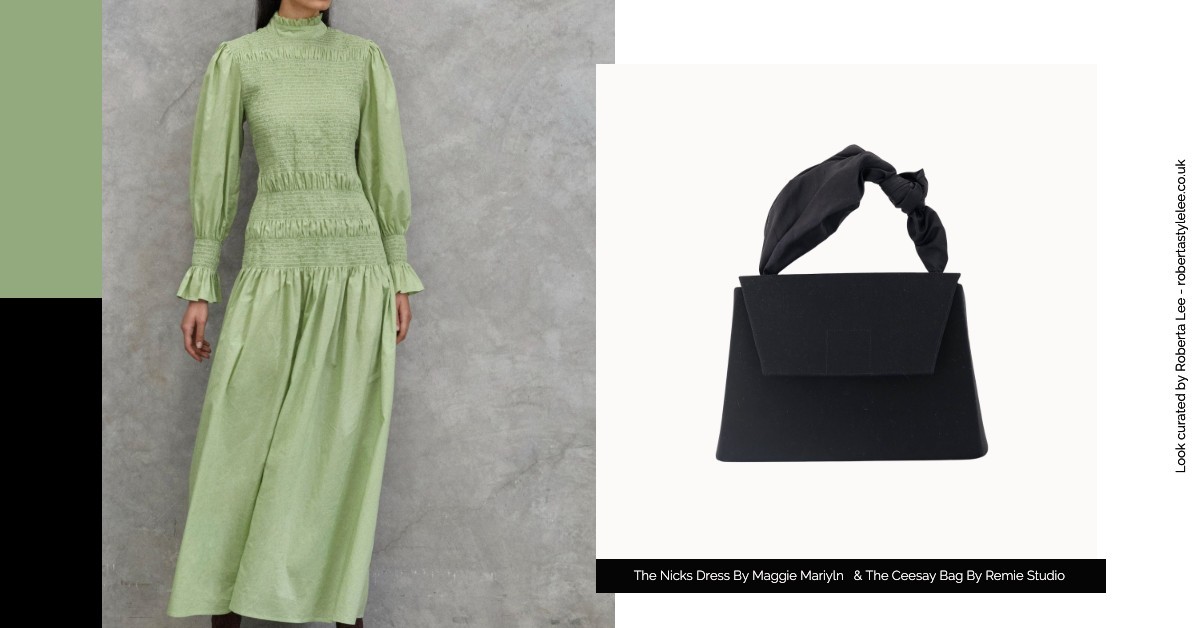
Finding colours that feel visually aligned is often a gradual process of experimentation, observation and understanding what creates harmony for you personally.
- Your colouring is completely individual, particularly across different skin tones, contrast levels and ethnicities.
- Certain colours may already carry emotional associations that influence how confident or comfortable you feel wearing them.
- Most wardrobes evolve gradually.
- The goal is usually refinement and clarity rather than replacing everything immediately.
- Many people already own strong neutral foundations.
- Colour confidence often develops through slow thoughtful integration rather than dramatic change
Figure out if you’re warm or cool toned
It’s a relatively simple step but one that requires some good conditions (natural light), some patience, and the right props! If you can get a friend to help, even better. The first step I always advise is to carry out “The White or Cream test’ which is a pretty basic test that can help you gauge if you’re likely to have warm or cool undertones.
Here’s how to get started with The White or Cream Test
Do You Feel More Harmonious in Muted or Bright Colours?

This is another simple test but one that requires more good conditions (natural light), some patience, and plenty of colour options across 3 of the main colours we use when we carry out professional colour analysis. This test only works if you easily define colours as bright or muted. This may sound silly but not everyone sees colour in the same way – at this stage to be able to determine what is cool and what is warm, helps and then to be able further define by brightness or muteness.
Explore examples of colours to help you spot the differences in colours and the language we use to define them.
Look through the colours that are associated with 4 of the main colour seasons in colour analysis, focus on pinks, greens and blues:
Try to select garments from around your house, or borrow pieces from friends that match the colours in either warm or cool undertone, depending on the outcome from the White or Cream Test.
Drape the garments around your neck and check whether the colour creates clarity, balance and harmony without relying on makeup.
Steps for wearing colour
If you’re unafraid to embrace colour from head to toe, that’s amazing. However, for a lot of us, it’s about finding our signature colours first and slowly building our future style around these colours. For me, I was surprised that pink was a real feel good and look good colour on me. I used to hate pink – so I had to release that negative association I had from my childhood – and start to see what pink could do for me… After years of experimenting with pink, I realised I preferred a hint of pink, a bold lipstick or pink accessory rather than being dressed head to toe pink.
Why Colour Confidence Changes Over Time
One of the most overlooked aspects of colour analysis is that our relationship with colour often evolves alongside us.
Colours that once felt exciting can eventually start to feel overwhelming, harsh or disconnected from who we are becoming. Equally, shades we previously dismissed can suddenly feel calming, refined or more emotionally aligned during different life chapters.
This is why colour confidence is rarely just about aesthetics alone. It is connected to identity, visibility, lifestyle and the way we want to communicate visually through what we wear.
It’s about building upon the foundation of your existing wardrobe, for example, mine is black and white as I am best suited to cool + bright colours and I fall within Winter colour analysis.
To begin, I always recommend getting started with some colourful accessories first and seeing how these make you feel. During the process of getting comfortable with new colours outside of your existing colour palettes, you may want to experiment with rentals or even swap with friends, just to see how you get on. This is a great way to test how wearing colour can change your mood – then you can commit to investment items at a later date.
Wearing Colour With Greater Confidence & Clarity
Once you begin understanding which tones create harmony with your features and overall wardrobe, wearing colour often starts to feel far more intuitive.
Many people find it easier to experiment confidently once they recognise whether they feel more balanced in cooler or warmer tones, softer palettes or brighter contrast. The goal is not perfection, but creating a wardrobe that feels visually coherent and easier to wear naturally..
Y ou can absolutely wear colours outside your suggested palette if they feel authentic to you. Colour analysis should never feel restrictive. The most useful approach is understanding which colours create greater clarity and ease, while still allowing space for personal preference, creativity and emotional connection.
The more visually aligned a wardrobe feels overall, the less self-conscious you tend to become wearing colour — and that confidence naturally becomes visible.